The 80-125% Rule: Understanding Bioequivalence Confidence Intervals
The 80-125% rule determines bioequivalence between generic and brand-name drugs. Learn what this range really means for patient safety and why confidence intervals matter.

The 80-125% rule determines bioequivalence between generic and brand-name drugs. Learn what this range really means for patient safety and why confidence intervals matter.

Learn how to identify cosmetic allergens causing eyelid dermatitis. Discover diagnosis methods like patch testing and safe treatment plans to restore your skin barrier.

Explore how TRIPS agreements affect medicine prices and generic access globally. Learn about compulsory licensing, patent protections, and the debate over healthcare rights versus corporate profits.

Explore the reasons behind patient hesitation regarding biosimilars and learn practical strategies to build trust. This guide clarifies the science, safety data, and cost implications to reduce fear and improve adoption rates.

ADHD treatment combines stimulants, non-stimulants, and behavioral strategies for the best results. Learn how each works, their side effects, and what really helps long-term.

Conductive hearing loss is caused by middle ear problems like fluid buildup, eardrum holes, or stiff bones. Many cases can be fixed with surgery, including tympanoplasty, stapedectomy, and ear tubes. Learn how diagnosis works and what to expect from treatment.

Learn which medications are safe to take during pregnancy for common symptoms like allergies, nausea, pain, and heartburn. Based on up-to-date guidelines from ACOG, CDC, and MotherToBaby.

Insulin stacking occurs when multiple doses of rapid-acting insulin are given too close together, leading to dangerous drops in blood sugar. Learn how to avoid this preventable cause of hypoglycemia with clear dosing rules and practical strategies.
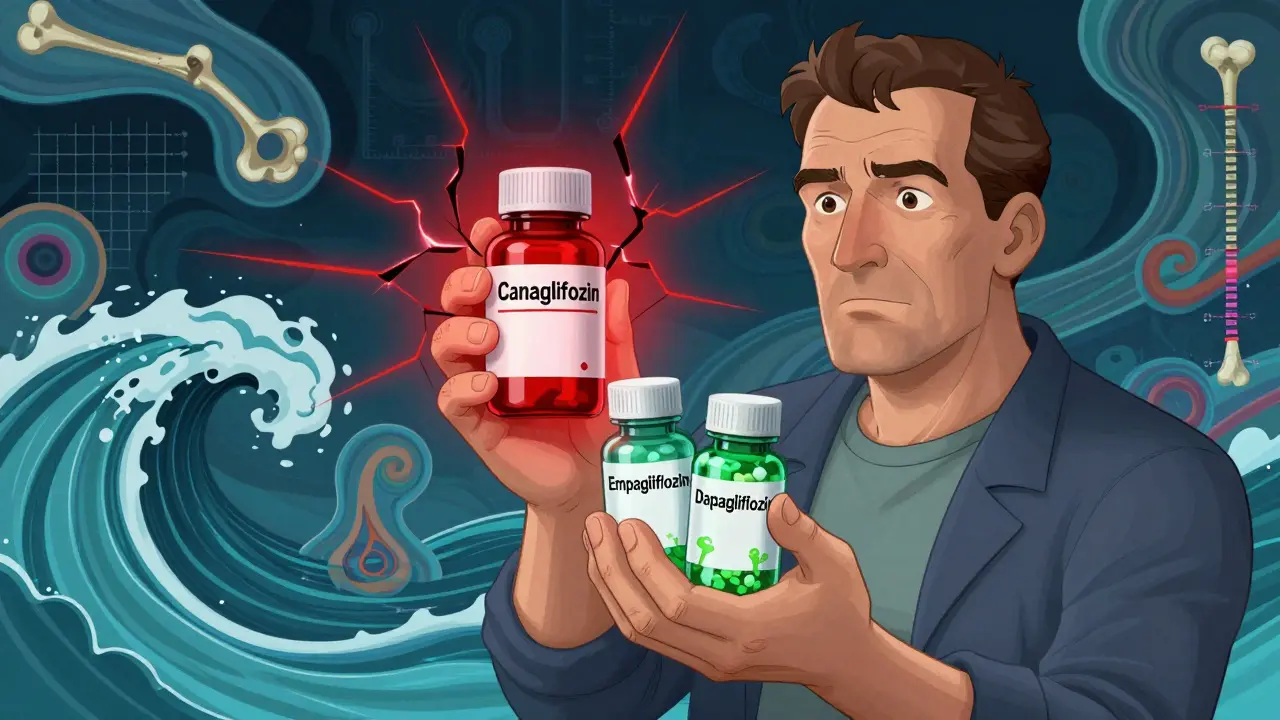
SGLT2 inhibitors help manage diabetes and protect the heart and kidneys, but canagliflozin may raise fracture risk in vulnerable patients. Empagliflozin and dapagliflozin appear safe. Know which drug you're on and whether your bone health puts you at risk.

Organizing a medication list for seniors can prevent dangerous drug interactions, reduce hospital visits, and give caregivers peace of mind. Learn how to create, update, and use a clear, complete list that works for both paper and digital users.