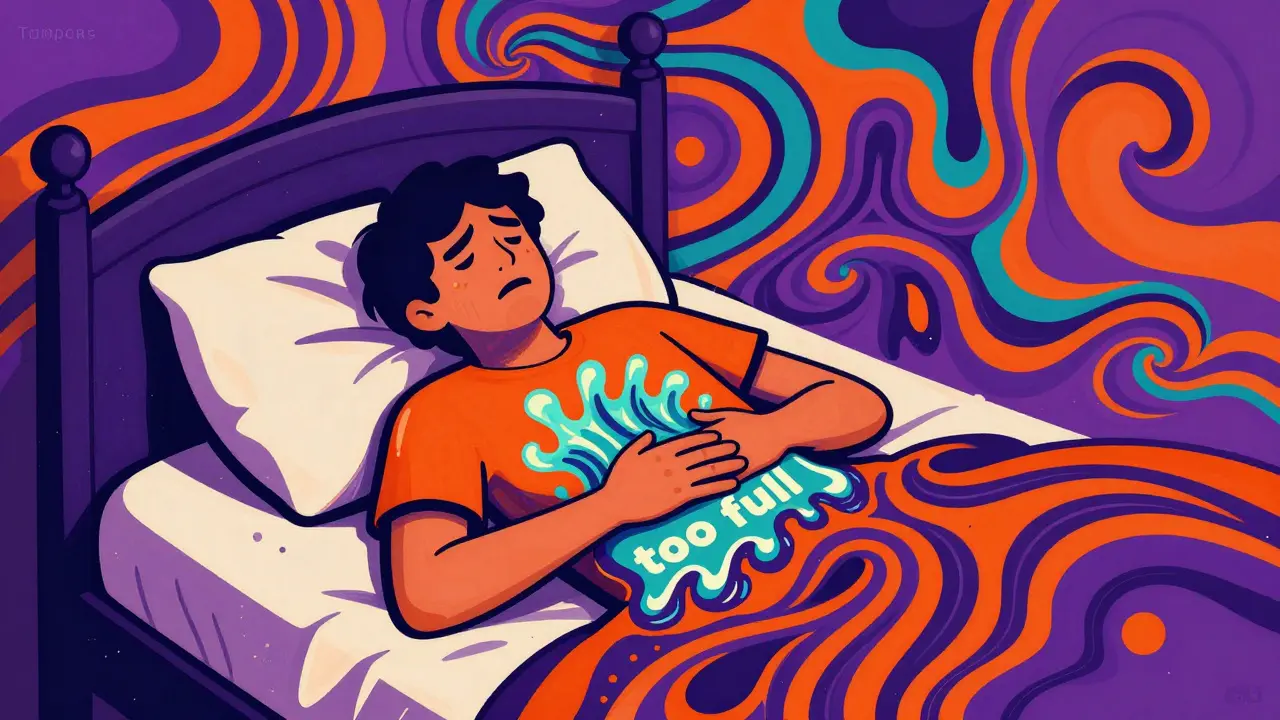
GLP-1 Nausea Management Guide
Select your current symptom or trigger to find the recommended solution.
Select a trigger on the left to see the practical fix and expected result.
If you're feeling the effects, you're not alone. About one in eight Americans have used a GLP-1, and the majority of those who struggle with nausea find relief within the first eight weeks. The goal isn't just to survive the side effects, but to manage them so you don't end up quitting a treatment that is actually working for your health.
The Real Reason You Feel Sick
To fix the nausea, you have to understand why it's happening. GLP-1 receptor agonists is a class of medications that mimic the glucagon-like peptide-1 hormone to regulate blood sugar and appetite. Common examples include semaglutide (found in Ozempic and Wegovy) and tirzepatide (found in Mounjaro and Zepbound).
The biological "glitch" causing the nausea is delayed gastric emptying. Essentially, your stomach becomes a slow-motion zone, sometimes operating 30-50% slower than usual. When food sits in your stomach longer than your body expects, it triggers that classic nauseous feeling. This is highly dose-dependent; for instance, nausea rates for semaglutide often jump from 15-20% at starting doses to 44% once you hit the full maintenance dose. The more the drug slows your digestion, the more likely you are to feel sick.
Mastering the "Small and Frequent" Eating Strategy
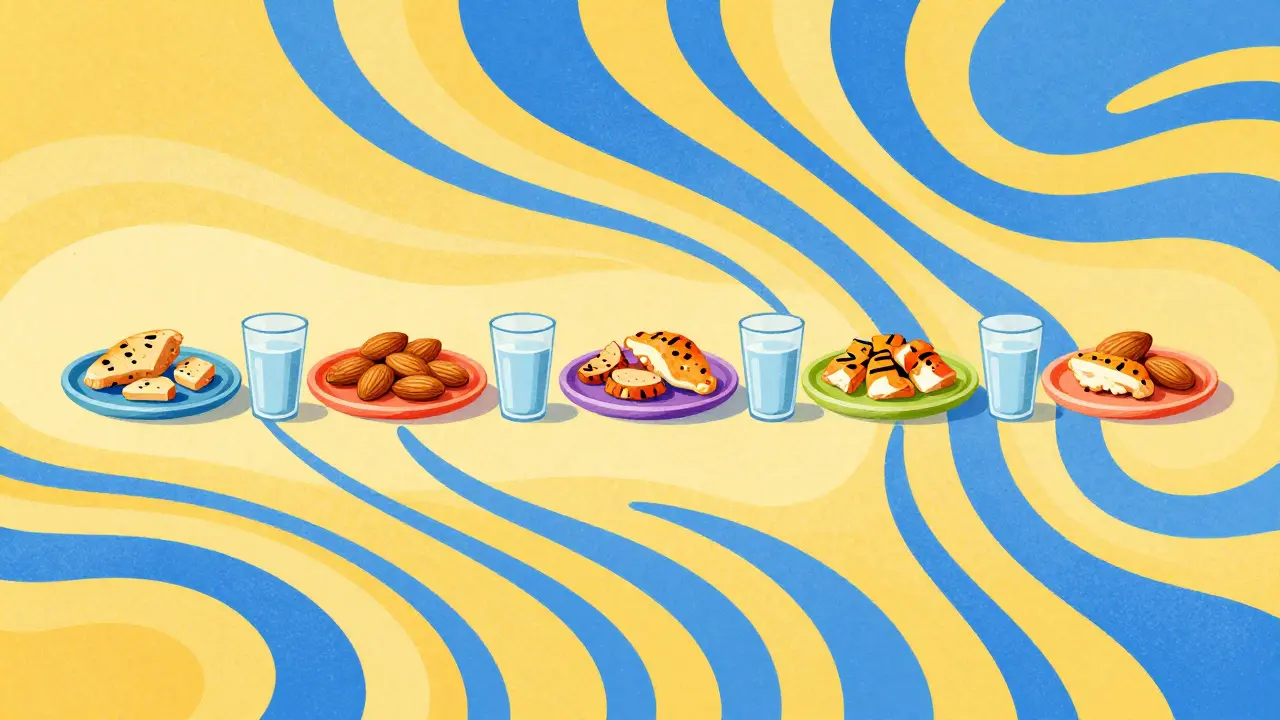
If your stomach is emptying slower, the solution is simple: give it less to deal with at one time. Trying to eat a standard-sized dinner is a recipe for a miserable evening. Instead, think of your food intake as "grazing" rather than "meals."
A proven approach is to reduce your typical meal portions by about 25-30%. Rather than three big meals, aim for smaller portions every 2.5 to 3 hours. Focus on high-protein snacks to keep your energy up without overloading your system. If you're feeling morning nausea, stick to bland carbs like toast or plain crackers to settle your stomach before you try anything heavier.
One of the biggest mistakes people make is drinking water during their meals. When you drink a large glass of water while eating, you're adding volume to a stomach that is already struggling to empty. This creates distension, which spikes nausea. The pro tip here is to separate your fluids: drink your water 30 to 60 minutes before or after you eat, not during.
| Trigger | Practical Fix | Expected Result |
|---|---|---|
| Large, fatty meals | Small, protein-focused snacks every 3 hours | Reduced stomach pressure |
| Drinking during meals | Fluids 30-60 mins before/after eating | Less stomach distension |
| Morning sickness | Bland carbohydrates (crackers/toast) | Soothes stomach lining |
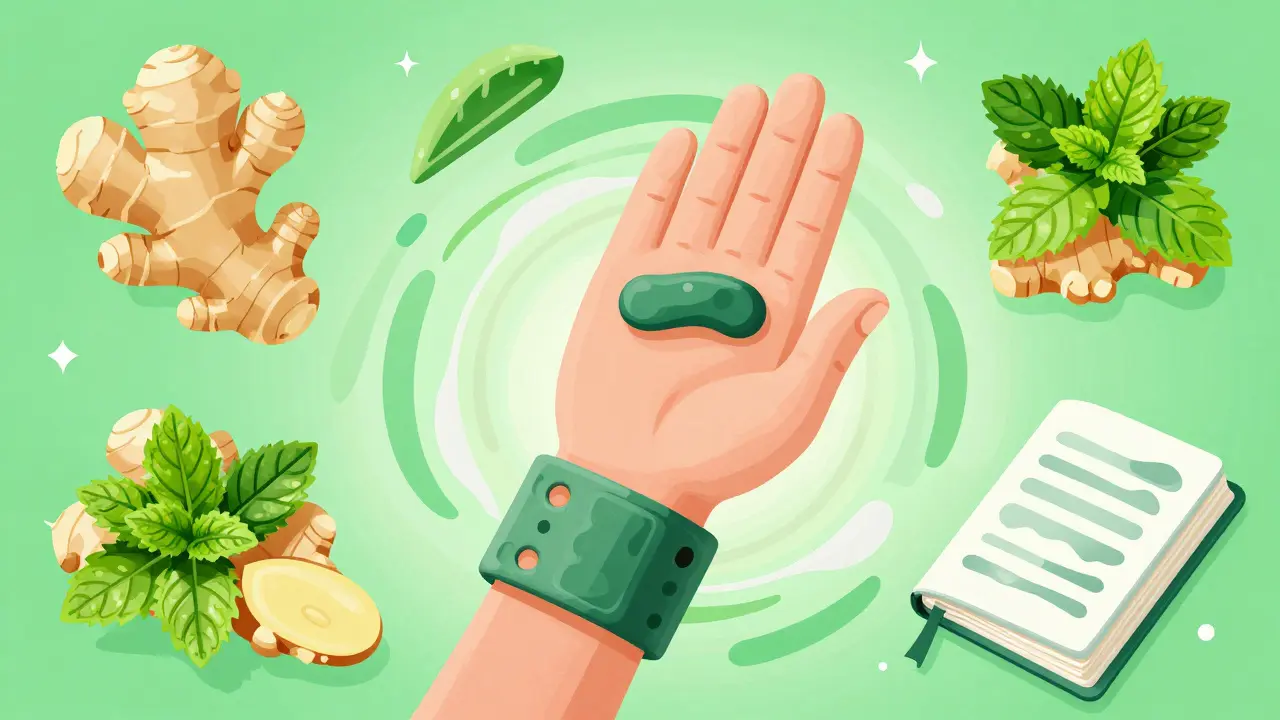
| General queasiness | Ginger chews, tea, or peppermint | Natural motility support |
The Power of Slow Titration
Many of us are tempted to rush to the maintenance dose to see results faster, but this is where most people run into trouble. GLP-1 nausea is often a sign that your body isn't adjusting to the dose increase fast enough. While standard guidelines might suggest moving up every four weeks, some experts suggest staying on a dose for six weeks if you're still feeling sick.
Taking a "low and slow" approach can drastically change your experience. Some clinics have found that extending the titration period by 50-100% can drop the rate of people quitting the drug due to nausea from 12% down to under 4%. If you've just increased your dose and the nausea is overwhelming, talk to your doctor about staying at the previous dose for another two weeks. Your body needs time to calibrate its digestive speed to the medication.
Non-Drug Tools and Quick Fixes
Before reaching for a prescription anti-nausea pill, there are a few mechanical and natural tricks that actually work. Acupressure wristbands are a great example. These bands press on the P6 point of the wrist, and some small studies show they can provide relief in as little as five minutes for about 80% of episodes. They are drug-free and you can wear them all day without worrying about side effects.
Timing your injection also matters. If you wake up feeling sick, try moving your dose to bedtime. For a large number of patients, sleeping through the initial peak of the medication reduces the perception of nausea and makes the next morning much more manageable.
If you want to be precise, keep a health journal for two weeks. Track what you ate, when you drank water, and your nausea level on a scale of 1 to 10. You'll likely find a pattern-maybe fried foods are your trigger, or maybe eating too close to bedtime is the culprit. Identifying these triggers allows you to tweak your routine rather than guessing why you feel sick.
When to Use Medication and When to Worry
Sometimes, diet and wristbands aren't enough. In these cases, medications like ondansetron (often known as Zofran) can be used. Orally disintegrating tablets can provide relief within 15-20 minutes. For more persistent issues, some doctors prescribe domperidone to help with stomach motility, though this is usually a short-term fix under medical supervision due to potential cardiac risks.
However, there is a big difference between "medication nausea" and a medical emergency. You should contact your doctor immediately if you experience:
- Vomiting more than three times a day for over 24 hours.
- An inability to keep any fluids down for more than 12 hours.
- Rapid weight loss exceeding 5% in a single week.
- Severe abdominal pain accompanied by early satiety (feeling full after two bites).
While rare, persistent nausea beyond eight weeks can sometimes indicate gastroparesis-a condition where the stomach becomes almost completely paralyzed. This affects a tiny fraction of users (about 0.5%), but it requires professional medical intervention.
How long does the nausea usually last?
For most people, nausea is most intense during the first 4-5 weeks of treatment. Individual episodes usually resolve within 8 days of starting a new dose, and about 80% of all cases resolve within the first 8 weeks of consistent therapy as the body adapts.
Can I take ginger or peppermint to help?
Yes. Ginger-based products (like chews or tea) have shown high efficacy in reducing nausea in clinical meta-analyses. Peppermint is also frequently used to soothe the digestive tract and reduce the feeling of bloating and queasiness.
What should I do if I can't eat enough?
Focus on nutrient density. Switch to protein-rich snacks and very small, frequent meals. If you can't hit your calorie goals, try liquid nutrition like protein shakes, but remember to drink them slowly and separately from your solid food to avoid over-distending your stomach.
Is it possible to move my dose day to feel better?
While you should follow your doctor's specific schedule, some users find that taking the injection at bedtime reduces morning nausea because they sleep through the period of highest drug concentration in the blood.
Should I stop the medication if I'm nauseous?
Not necessarily. Nausea is a common side effect, not always a sign of failure. However, if you are vomiting uncontrollably or cannot hydrate, you must contact your healthcare provider. They may suggest a lower dose or a slower titration schedule rather than stopping entirely.
Next Steps for Managing Your Journey
If you're just starting out, your first move should be to prep your pantry. Stock up on ginger chews, bland crackers, and a variety of high-protein snacks. Start a simple log of what you eat and how you feel; you'll be surprised how quickly you can spot the specific foods that trigger your nausea.
If you've already hit your maintenance dose and you're still feeling sick after a month, don't just accept it. Schedule a chat with your doctor. You might be a candidate for a slight dose reduction or a temporary anti-nausea medication to help you bridge the gap. The goal is a sustainable lifestyle change, not a daily battle with your stomach.