
When you're pregnant, even a simple headache or stuffy nose can feel overwhelming. You want relief, but you're terrified of harming your baby. The good news? Many common medications are safe during pregnancy - if you know which ones and how to use them correctly. This isn't about guessing or scrolling through forums. It's about clear, evidence-based facts from trusted medical sources like the American College of Obstetricians and Gynecologists (ACOG), the CDC, and the MotherToBaby registry, which has tracked over 100,000 medication exposures since 1985.
What’s Actually Safe? The Top Medications for Common Pregnancy Symptoms
Let’s cut through the noise. Here’s what most experts agree is safe, based on real data from thousands of pregnancies.
Allergy relief: Cetirizine (Zyrtec) at 10mg once daily is consistently recommended across 9 out of 10 major guidelines, including the University of Michigan Medicine (2023) and Cleveland Clinic (2023). Loratadine (Claritin) at 10mg daily is also widely accepted. Both are non-drowsy and have been studied for decades. Fexofenadine (Allegra) at 180mg daily is another solid choice - just make sure it’s the plain version, not the combination formula with decongestants.
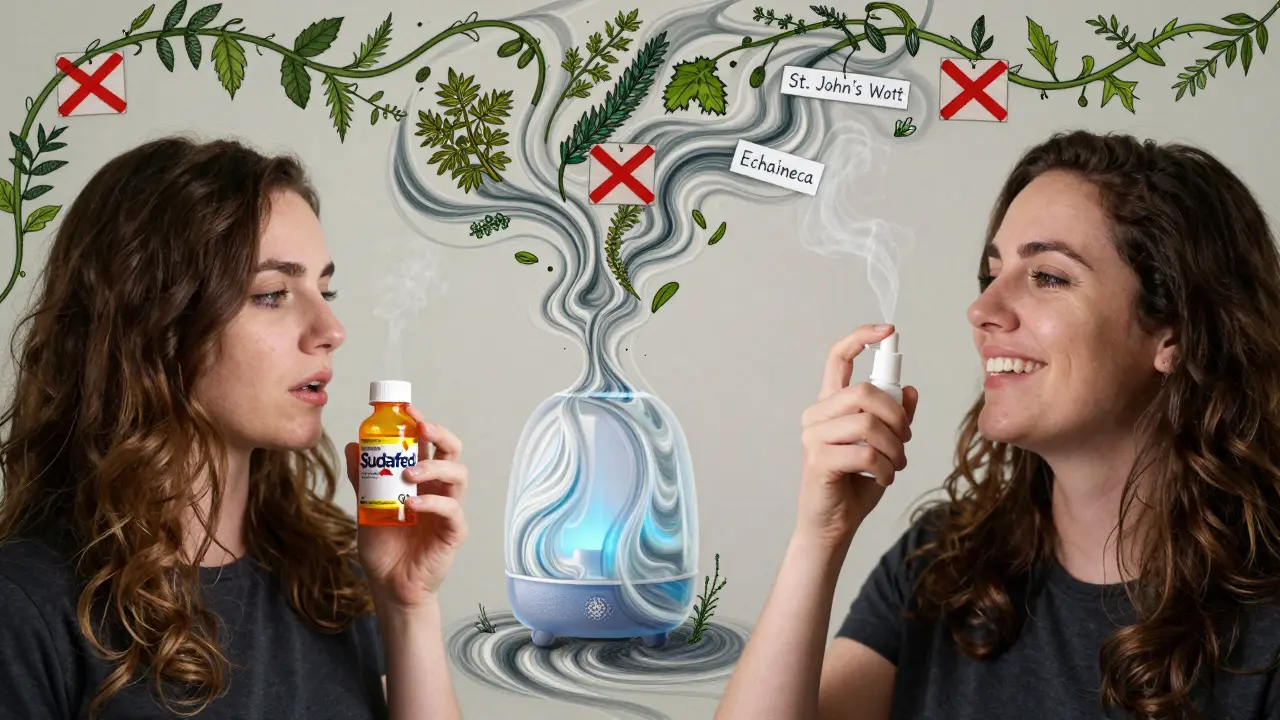
Cold and congestion: Saline nasal sprays are the gold standard - no drugs, no risk. For mucus, guaifenesin (Mucinex) is safe in standard doses, but avoid multi-symptom formulas. Dextromethorphan (Robitussin) is okay up to 120mg in 24 hours. But here’s the catch: pseudoephedrine (Sudafed) is tricky. Some providers say it’s fine after the first trimester. Others, like the University of Michigan, warn against it due to potential effects on blood flow. And in places like Georgia, you can’t even buy it without showing ID because of legal restrictions. If you’re unsure, skip it. Use steam, a humidifier, or saline rinses instead.
Pain and fever: Acetaminophen (Tylenol) is your go-to. It’s in 9 out of 10 guidelines. But don’t assume more is better. Stick to 3,000mg per day - that’s six 500mg tablets. Exceed that, and you risk liver damage. And don’t confuse it with Tylenol PM - that has diphenhydramine (an antihistamine) and isn’t meant for daily use. Avoid ibuprofen (Advil), naproxen (Aleve), and aspirin completely after 20 weeks. These can affect your baby’s kidney development and cause low amniotic fluid. Even before 20 weeks, use them only if your doctor says so.
Heartburn and nausea: Calcium carbonate (Tums) is safe and effective. Take it as needed - no strict daily limit, but don’t overdo it. Too much calcium can cause constipation. Famotidine (Pepcid) at 20mg twice daily is also approved by 8 sources. For nausea, the combo of vitamin B6 (25mg) and doxylamine (Unisom) is the most studied and effective treatment. It’s the same as the FDA-approved drug Diclegis. Take one of each three times a day. Many women report a dramatic drop in vomiting - from 10 times a day to just one or two.
What’s Not Safe - And Why
Some medications are just too risky. NSAIDs like ibuprofen and naproxen are banned after 20 weeks because they can cause a serious condition called oligohydramnios - where there’s not enough amniotic fluid around the baby. This can lead to lung underdevelopment and limb deformities.
Decongestant nasal sprays like Afrin? Fine for three days max. Longer than that, and your nose gets worse when you stop. That’s called rebound congestion. It’s not dangerous to the baby, but it’s miserable for you.
Herbal remedies? Skip them. Just because something is “natural” doesn’t mean it’s safe. St. John’s Wort, echinacea, and ginger supplements aren’t regulated. There’s no data on how they affect fetal development. A 2022 survey found that 58% of pregnant people assume herbal products are safe - and that’s a dangerous myth.
And don’t forget about sleep aids. Diphenhydramine (Benadryl) is sometimes used for insomnia, but ACOG’s November 2023 update now advises limiting it because of emerging data on possible effects on baby’s brain development. Melatonin at 1-3mg is now considered a safer alternative.
The Real-World Challenge: Confusion, Fear, and Access
Even with clear guidelines, real life gets messy. On Reddit’s pregnancy forum, 78% of users say Zyrtec worked great. But 22% say Unisom made them so sleepy they couldn’t function. One woman in Texas told her story: her doctor said Sudafed was okay after the first trimester. Her pharmacist refused to sell it without extra paperwork. She went three days without relief, fighting a sinus infection.
Another big issue? People stop taking necessary meds out of fear. A 2022 MotherToBaby survey found that 41% of pregnant women quit their antidepressants because they were scared. But for many, the risks of untreated depression are higher than the risks of continuing sertraline (Zoloft). ACOG says if you’re stable on an SSRI, don’t stop without talking to your provider.
And dosage? Big problem. One woman on BabyCenter said she took Tums every hour because she felt “better.” She ended up with severe constipation. Another took Tylenol PM for sleep, not realizing it had 500mg of acetaminophen per pill. She hit 1,500mg before lunch. That’s half the daily limit.
Brand names confuse people too. Claritin is loratadine. Zyrtec is cetirizine. Allegra is fexofenadine. But if you buy Claritin-D, you’re getting pseudoephedrine - which you shouldn’t take in early pregnancy. Always check the active ingredients, not just the brand.
How to Use This List Wisely
Here’s the bottom line: There’s no such thing as a universally safe medication - only safe choices for your specific situation.
Always check with your provider before starting any new medication - even OTC ones. Tell them exactly what you’re taking, how often, and why. Bring the bottle. Don’t rely on memory.
Use the lowest effective dose for the shortest time. If you can manage heartburn with diet changes and sleeping propped up, do that. If you can use saline spray instead of decongestants, do that.
And if you’re unsure? Call MotherToBaby. They’re a free, confidential service staffed by specialists who answer over 12,000 calls a year. They don’t scare you. They give you facts.
What’s Changing - And What’s Coming
The FDA replaced the old A-B-C-D-X categories in 2015 because they were too simplistic. Now labels include detailed summaries of risks, clinical advice, and data sources. But here’s the hard truth: 61% of new drugs still get approved without enough pregnancy safety data.
That’s why research is urgent. The NIH’s PregSource project has collected 18,700 self-reported medication logs from pregnant people. Early findings suggest even acetaminophen might carry risks if used at high doses for long periods. That’s why ACOG updated its guidance in late 2023 to be more cautious.
Future tools are coming. The University of Michigan is developing an AI system that will one day predict medication risks based on your genetics, weight, and trimester. But for now, the best tool you have is your provider - and this list.

Quick Reference: Safe Medications During Pregnancy
- Allergies: Cetirizine (Zyrtec) 10mg daily, Loratadine (Claritin) 10mg daily, Fexofenadine (Allegra) 180mg daily
- Congestion: Saline nasal spray (safe anytime), Guaifenesin (plain Mucinex), Dextromethorphan (max 120mg/day)
- Pain/Fever: Acetaminophen (Tylenol) max 3,000mg/day - no ibuprofen, naproxen, or aspirin after 20 weeks
- Heartburn: Calcium carbonate (Tums), Famotidine (Pepcid) 20mg twice daily
- Nausea: Vitamin B6 25mg + Doxylamine (Unisom) 25mg, three times daily
- Constipation: Polyethylene glycol (Miralax) 17g daily
- Sleep: Melatonin 1-3mg - avoid diphenhydramine (Benadryl) for regular use
Can I take Benadryl while pregnant?
Benadryl (diphenhydramine) is sometimes used for allergies or sleep, but ACOG’s 2023 update advises limiting its use. Emerging data suggest it may affect fetal brain development, especially with long-term or high-dose use. For occasional relief, it’s still considered low-risk, but melatonin (1-3mg) is now a better option for sleep. Always check with your provider before using it regularly.
Is it safe to take Tylenol every day during pregnancy?
Taking Tylenol (acetaminophen) daily is okay if you stay under 3,000mg per day. But using it for more than a few weeks straight - especially at high doses - may carry risks. A 2023 NIH study found a possible link between prolonged, high-dose use and subtle effects on child development. Use it only when needed, and try non-medication options first, like rest, hydration, or heat packs.
Why can’t I take ibuprofen during pregnancy?
Ibuprofen and other NSAIDs can reduce blood flow to the baby’s kidneys after 20 weeks. This can lead to low amniotic fluid, which affects lung development and can cause limb problems. The risk is highest in the third trimester. Even before 20 weeks, it’s not the first choice - acetaminophen is safer and just as effective for most pain.
Are herbal supplements safe during pregnancy?
No. Herbal supplements aren’t regulated like medications, and there’s little to no data on how they affect fetal development. Ginger is sometimes used for nausea, but even that has conflicting studies. Stick to FDA-approved treatments like vitamin B6 and doxylamine. If you want to try something herbal, talk to your provider first - don’t assume it’s safe just because it’s natural.
What should I do if I took a risky medication before I knew I was pregnant?
Don’t panic. Most medications don’t cause harm in early pregnancy - especially if taken in single doses. The “all-or-nothing” period (first 2 weeks after conception) means if a medication caused damage, the pregnancy likely wouldn’t continue. If you took something risky, call MotherToBaby (1-866-626-6847) or your OB. They’ll review what you took, when, and how much. In over 97% of cases, there’s no increased risk of birth defects.
Next Steps: What to Do Today
- Review your current meds - OTC and prescription - and cross-check them with this list.
- Call your provider if you’re unsure about anything. Don’t wait until your next appointment.
- Keep a small notebook: write down what you take, why, and when. Bring it to every visit.
- Download the FDA’s “Medicines in Pregnancy” app - it’s free and updated regularly.
- Save MotherToBaby’s number (1-866-626-6847) in your phone. It’s a lifeline.