Benefit-Risk Assessment: Making Safer Medication Choices
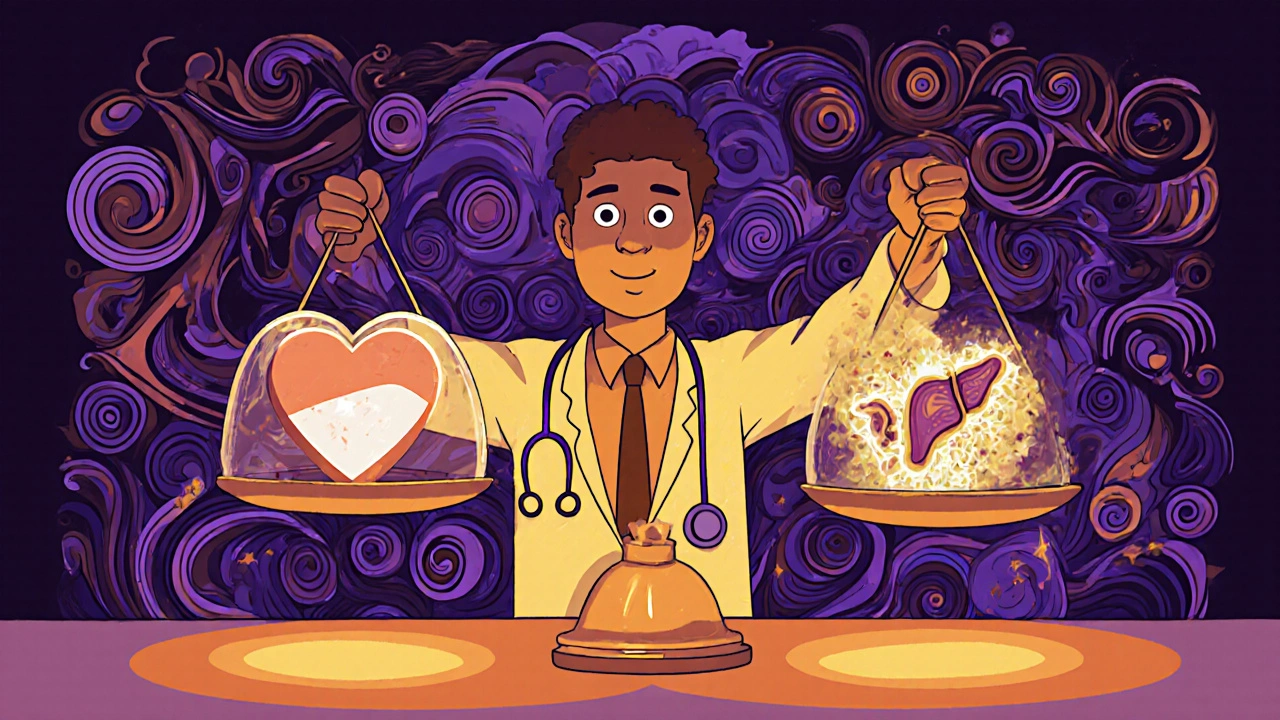
When you take a medication, you're making a benefit-risk assessment, a deliberate evaluation of how much good a drug can do versus how much harm it might cause. Also known as risk-benefit analysis, it's not just something doctors do—it's something you should understand every time you start a new pill, patch, or injection. This isn’t theoretical. It’s the reason some people avoid certain antibiotics after a bad reaction, why diabetics monitor their blood sugar closely when starting a new beta-blocker, or why someone on statins gets regular liver tests. Every drug has trade-offs. The goal isn’t to avoid all risk—it’s to make sure the reward outweighs it.
One major part of this assessment involves drug interactions, when one medication changes how another works in your body. For example, mixing PDE5 inhibitors like Viagra with heart medications called nitrates can drop your blood pressure to dangerous levels. Or take ritonavir boosting—a trick used in HIV treatment that blocks liver enzymes but turns common drugs like statins into toxins. These aren’t rare edge cases. They show up in emergency rooms every week. Then there’s medication side effects, the unwanted changes your body goes through while taking a drug. Some are mild, like a dry mouth from an antihistamine. Others, like liver failure from acetaminophen or skin reactions from carbamazepine, can be life-threatening. Knowing what to watch for turns passive use into active safety.
And it’s not just about the drug itself. Your life matters too. Are you breastfeeding? Then antidepressants like sertraline need careful weighing—how does the benefit of treating postpartum depression compare to the tiny chance of side effects in your baby? Are you traveling with controlled meds? A doctor’s letter isn’t just paperwork—it’s part of your benefit-risk plan to avoid legal trouble abroad. Even natural remedies like omega-3 or plant sterols for cholesterol have hidden risks if they interfere with your prescription. This is why therapeutic decision-making, the process of choosing the right treatment based on your unique health picture isn’t a one-time event. It’s ongoing. It changes when your condition shifts, when you add a new drug, or when you start exercising more, eat differently, or get older.
What you’ll find below isn’t a list of drug facts. It’s a collection of real stories where the benefit-risk balance tipped—sometimes dangerously, sometimes brilliantly. You’ll see how insulin injections cause skin changes that affect blood sugar control, why mixing opioids and benzodiazepines can stop your breathing, and how a simple sunburn can be a warning sign from carbamazepine. These aren’t hypotheticals. They’re cases people lived through—and learned from. Whether you’re managing arthritis with methotrexate, choosing between finasteride and minoxidil for hair loss, or trying to buy generic tamoxifen safely online, the same question applies: Does this help more than it hurts? Below, you’ll find the answers, laid out plainly, with no fluff, no jargon, just what you need to decide.
Medication safety goes beyond labels and warnings. It’s built on real-world data, statistical analysis, and ongoing research to understand how drugs truly affect people. Learn how science identifies risks, benefits, and hidden dangers.
Healthcare providers weigh medication risks versus benefits to ensure treatments do more good than harm. This process considers disease severity, side effects, alternatives, and patient preferences to make safe, personalized decisions.