Corticosteroid Taper Calculator
Corticosteroid Taper Calculator
Calculate a safe tapering schedule for stopping corticosteroids like prednisone. Based on clinical guidelines from the Endocrine Society and Mayo Clinic.
Stopping corticosteroids like prednisone suddenly can hit you like a truck. Fatigue so deep you can’t get out of bed. Muscle aches that feel like the flu. Mood swings, nausea, even dizziness when you stand up. These aren’t just side effects-they’re signs your body is in withdrawal. And if you’ve been on steroids for more than a few weeks, your adrenal glands have forgotten how to make cortisol on their own. That’s where a corticosteroid taper comes in. It’s not optional. It’s essential.
Why Tapering Isn’t Just a Recommendation
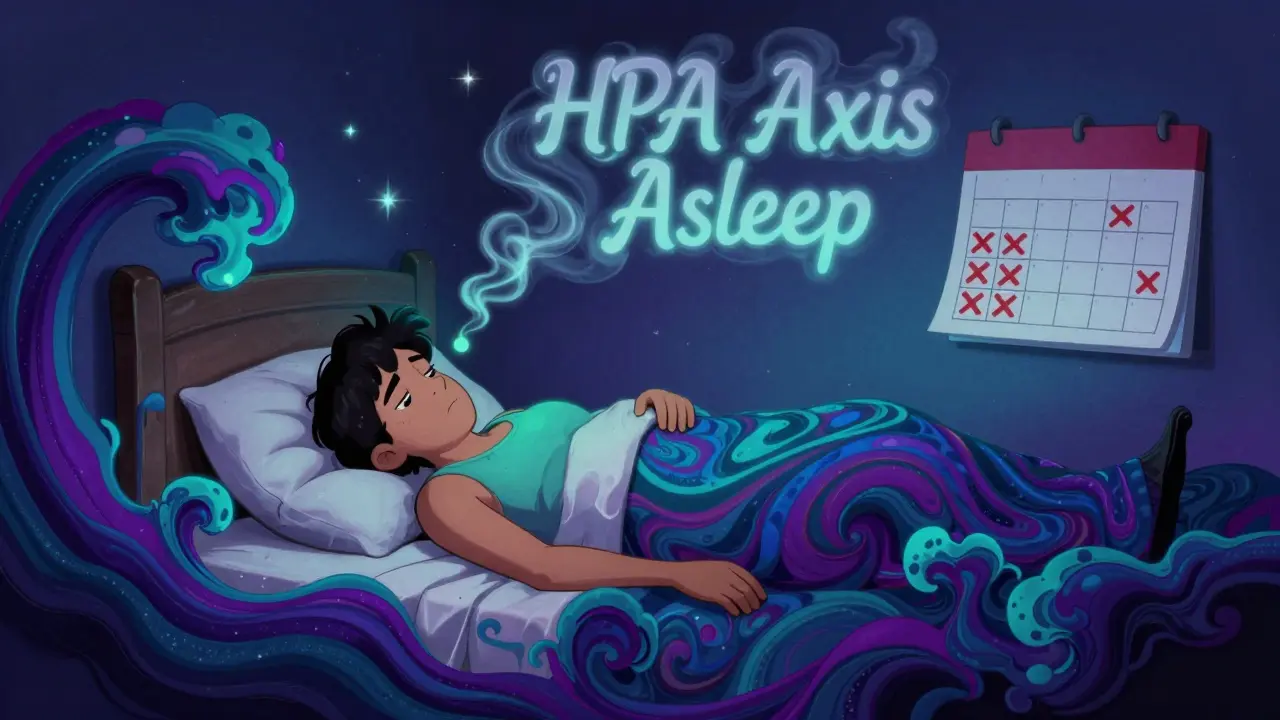
When you take prednisone or another corticosteroid for more than two to four weeks, your body stops making its own cortisol. The hypothalamic-pituitary-adrenal (HPA) axis, which normally controls your stress response and energy levels, goes quiet. It’s like turning off a faucet and expecting water to flow again the next day. It won’t. If you stop cold, your body doesn’t have the fuel to handle even normal stress-like a cold, a dental visit, or a long day at work. Studies show that 78% of people who quit steroids abruptly experience withdrawal symptoms. That’s nearly 4 out of 5 patients. Symptoms include crushing fatigue, joint pain, nausea, low blood pressure, and even depression. In some cases, it leads to adrenal crisis-a life-threatening drop in cortisol that requires emergency treatment. A proper taper isn’t about being cautious. It’s about giving your body time to wake up its own cortisol production. The goal? Get you off steroids without making you sick in the process.How Fast Should You Taper?
There’s no one-size-fits-all schedule. Your taper depends on how long you’ve been on steroids, what dose you’re on, and why you started them in the first place. If you’re on a high dose-say, more than 20 mg of prednisone daily-you can usually drop faster at first. Doctors often reduce by 2.5 to 5 mg every 3 to 7 days until you hit 15 mg. That’s the point where things slow down. Below 15 mg, your body starts to notice the change. That’s when withdrawal symptoms kick in for 63% of patients. From there, drop by 1 mg every 1 to 2 weeks. When you get down to 5-7.5 mg, you’re nearing your body’s natural cortisol production level. This is the hardest part. Many people feel fine at 10 mg, then crash at 7.5 mg. That’s normal. Your HPA axis is still asleep. Patients on steroids for less than three weeks usually recover cortisol production in 1-2 weeks after stopping. But if you’ve been on them for over a year? Recovery can take 6 to 12 months. That means your taper might need to stretch out over half a year or more. Rushing it increases the risk of flare-ups and severe withdrawal.What Does Withdrawal Actually Feel Like?
Glucocorticoid withdrawal syndrome isn’t the same as a disease flare or adrenal insufficiency-but doctors often mix them up. And that’s dangerous. Withdrawal symptoms are general: extreme tiredness, body aches, joint pain, trouble sleeping, irritability, and loss of appetite. You might feel like you’re coming down with something, but no fever, no swollen joints, no rash. That’s key. If your rheumatoid arthritis flares, your knuckles will be hot and swollen. If your Crohn’s disease returns, you’ll have diarrhea and abdominal pain. Withdrawal doesn’t cause those specific signs. Adrenal insufficiency is worse. It means your body has zero cortisol. You’ll feel dizzy when standing, have low blood pressure, low sodium, and maybe even low blood sugar. This can lead to shock. It’s rare-but it happens when tapering is ignored or rushed. Misdiagnosis is common. One study found 34% of patients had their dose increased because doctors thought they were having a flare-when they were actually in withdrawal. That keeps them stuck on steroids longer than they need to be.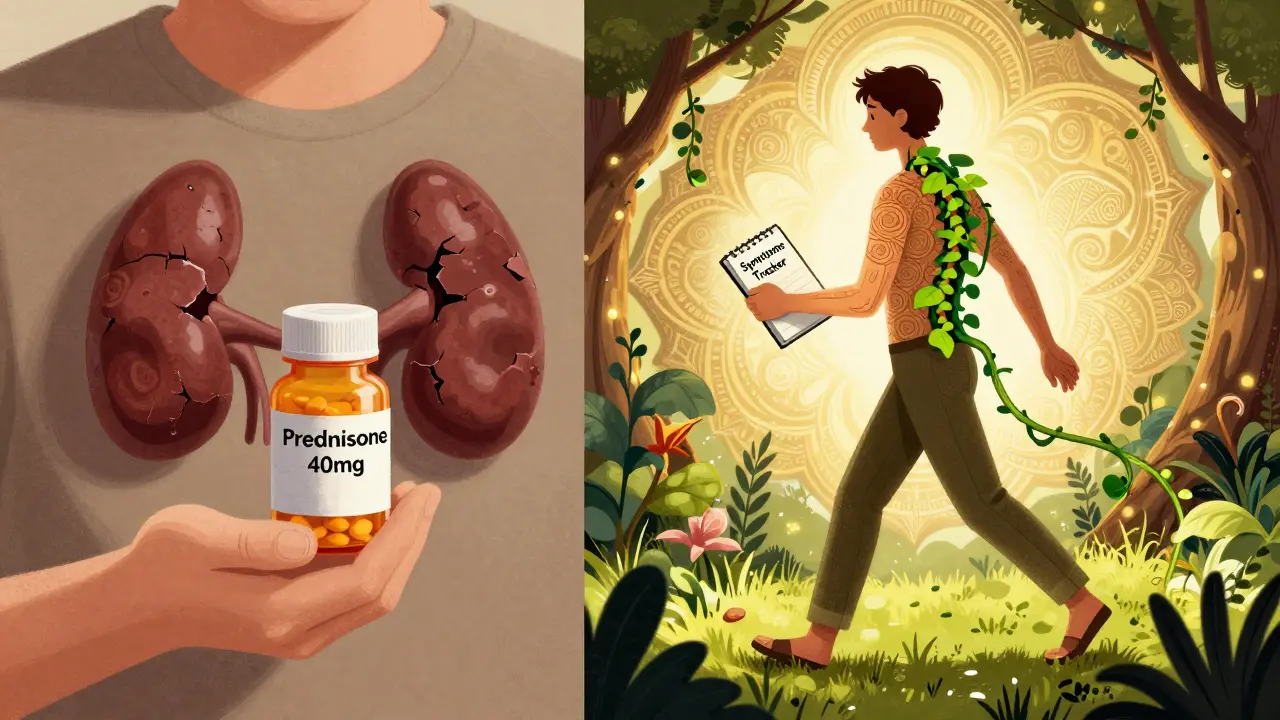
What Helps With the Symptoms?
Tapering is hard. But you don’t have to suffer through it alone. Evidence-backed strategies can cut symptom severity by more than half. Exercise helps more than you’d think. A 2022 study found that patients who did 20 minutes of walking or warm-water pool exercises daily saw a 42% drop in muscle and joint pain. Physical therapy cut pain scores from 7.2 to 3.1 on a 10-point scale in just four weeks. Sleep matters. Aim for 7-9 hours a night. Poor sleep worsens fatigue and mood swings. Cut caffeine to under 200 mg a day-that’s about two cups of coffee. Too much caffeine can spike your heart rate and make anxiety worse. Diet plays a role too. A Mediterranean-style diet-rich in vegetables, fish, olive oil, nuts, and whole grains-reduced symptom severity by 55% in a Mayo Clinic study of over 1,200 patients. Avoid sugar spikes. They mess with your energy and mood. Therapy is not a luxury. Cognitive behavioral therapy (CBT) reduced anxiety and depression linked to withdrawal by 68% in a clinical trial. Talking to a counselor helps you cope with the emotional rollercoaster. And yes-some people still need to go back up on a small dose temporarily. About 22% of patients need a slight increase in steroids during tapering to get through a rough patch. That’s not failure. It’s smart management.What Patients Are Really Saying
Real-world experience tells a different story than clinical guidelines. On Reddit’s r/Prednisone community-with over 12,500 members-68% say they had unexpected withdrawal symptoms even when following a taper. Nearly half describe “crushing fatigue” that lasts 3 to 8 weeks. A Drugs.com analysis of nearly 4,000 reviews found symptoms lasted an average of 23 days-but 18% of people suffered for over two months. Why? Three big reasons: doctors don’t explain the process well (76% of complaints), tapering plans vary wildly between specialists (63%), and mental health support is rarely offered (52%). The good news? Patients who followed a clear, written schedule had 89% satisfaction. Those who tapered “as needed” based on how they felt? Only 32% were happy with the outcome. One success story: a 45-year-old with rheumatoid arthritis tapered from 40 mg to zero over 26 weeks using a European protocol. Zero symptoms. No flare. No hospital visits. She had a plan, support, and patience.What You Need to Do Now
If you’re on corticosteroids and thinking about stopping:- Don’t stop on your own. Talk to your doctor.
- Ask for a written tapering schedule-not just a verbal one.
- Get a steroid emergency card. It should list your highest dose and what to do if you get sick, injured, or have surgery.
- Learn to check your blood pressure standing and sitting. A drop of 20 mmHg or more could mean adrenal insufficiency.
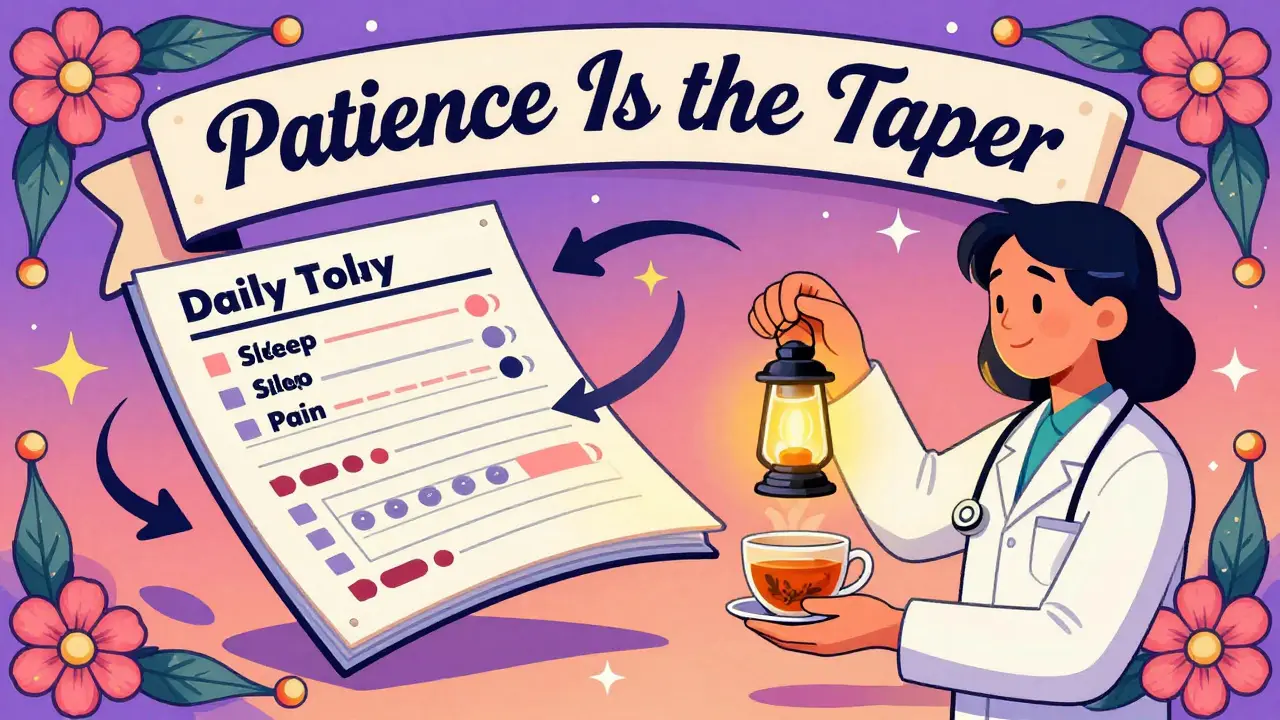
- Track your symptoms daily. Use a notebook or app. Note energy, pain, mood, sleep.
- Ask for referrals: endocrinologist, physical therapist, counselor.
When to Call for Help
You don’t need to wait until you’re in crisis. Call your doctor if you experience:- Feeling faint or dizzy when standing up
- Severe nausea or vomiting
- Unexplained fever or chills
- Confusion or extreme weakness
- Heart rate over 110 at rest
What’s New in 2025
The field is changing. The Endocrine Society updated its guidelines in 2024 to include dynamic tapering-adjusting speed based on your body’s response, not just time. Mayo Clinic rolled out a digital assistant in March 2024 that reduced complications by 37% in a pilot group of 412 patients. Researchers are now testing salivary cortisol tests to see how well your body wakes up each morning. That could let doctors personalize your taper down to the milligram. One study showed 82% accuracy in predicting recovery time. AI-driven tapering tools are in early trials at Johns Hopkins. They’ll pull data from your EHR-your labs, symptoms, activity levels-and suggest daily adjustments. That’s the future. But for now, the best tool is still a clear plan, good communication with your care team, and patience. Your body didn’t shut down cortisol overnight. It won’t turn it back on overnight either.Final Thoughts
Corticosteroid tapering isn’t a speed race. It’s a slow, steady walk back to health. Rushing it risks flare-ups, hospital visits, and long-term dependence. Taking it slow gives your body the gift of self-recovery. The data is clear: structured tapers work. Multidisciplinary care works. Patient education works. The hardest part? Trusting the process when you feel awful. But you’re not broken. Your body is just relearning how to work on its own. Stick with the plan. Speak up when things get tough. And remember-you’re not alone. Thousands have walked this path before you. And you can, too.Can I stop prednisone cold turkey if I’ve only been on it for a week?
If you’ve been on prednisone for less than two weeks, your adrenal glands likely haven’t shut down enough to cause withdrawal. In most cases, stopping suddenly is safe. But always check with your doctor first. Even short courses can trigger rebound inflammation in some conditions like asthma or eczema.
Why do I feel worse when I lower my dose, even if I’m not at zero yet?
That’s the HPA axis waking up. When you’re on steroids, your body stops making cortisol. As you reduce the dose, your adrenal glands have to restart production. That takes time. Between 15 mg and 5 mg, your body is in transition-you’re getting less steroid support but haven’t fully regained your own cortisol yet. That’s when fatigue, aches, and mood changes peak. It’s temporary, but real.
Is it normal to feel anxious or depressed during a steroid taper?
Yes. Cortisol affects brain chemistry. Lowering it can trigger anxiety, irritability, or low mood-even if you didn’t have mental health issues before. Studies show cognitive behavioral therapy cuts these symptoms by 68%. Don’t ignore them. Talk to your doctor about counseling or support groups.
How do I know if it’s withdrawal or my original disease flaring up?
Withdrawal causes general symptoms: tiredness, body aches, nausea, sleep problems. A flare is specific to your condition. For rheumatoid arthritis, that means swollen, hot joints. For Crohn’s, it’s diarrhea and belly pain. For lupus, it’s rashes or kidney changes. If your symptoms match your original disease, it’s likely a flare. If they’re vague and widespread, it’s probably withdrawal. Your doctor can order blood tests to help tell the difference.
Do I need a cortisol test during my taper?
Not always-but if you’re having symptoms at doses below 5 mg, or if your doctor suspects adrenal insufficiency, they may order an ACTH stimulation test. This measures how well your adrenal glands respond to a synthetic hormone. A peak cortisol level above 400-500 nmol/L after the test means your HPA axis is recovering. Below that, you may need a slower taper or temporary dose increase.
What should I do if I get sick while tapering?
Illness is a stressor. Your body needs more cortisol to handle it. If you’re on a taper and get a fever, infection, injury, or surgery, you may need a temporary “stress dose” of steroids-even if you’re down to 2.5 mg. Always carry your steroid emergency card. Call your doctor immediately. Don’t wait. Skipping this step can lead to adrenal crisis.
Can I speed up my taper if I feel okay?
Feeling okay doesn’t mean your adrenal glands are ready. Many people feel fine until they drop below 7.5 mg, then crash. Speeding up increases the risk of severe withdrawal, flare-ups, or adrenal insufficiency. Stick to the schedule. If you’re unsure, check in with your doctor before making changes.
Are there alternatives to tapering off steroids?
Yes-but not for everyone. For autoimmune conditions, doctors may switch you to non-steroid immunosuppressants like methotrexate, azathioprine, or biologics (e.g., Humira, Enbrel). These take weeks to work, so they’re often started before tapering begins. The goal is to replace steroids, not just remove them. Ask your specialist if you’re a candidate.
14 Comments
Robert Gilmore December 20, 2025 AT 00:39
I’ve been tapering off 10mg for 11 weeks now. The fatigue is real-but what surprised me was how much better I slept after cutting caffeine. Not because I’m ‘healthy’-just because my nervous system finally stopped screaming.
Robert Gilmore December 20, 2025 AT 22:50
STOP TAPERING IF YOU’RE FEELING THIS BAD!! YOUR DOCTOR IS KILLING YOU!! I WAS ON 5MG FOR 9 MONTHS AND THEY TOLD ME TO GO TO 2.5MG IN 2 WEEKS-I ALMOST DIED IN THE EMERGENCY ROOM!! THEY DON’T CARE ABOUT YOU!!
Robert Gilmore December 22, 2025 AT 15:18
Wow. That’s… intense. I’ve been on prednisone for 8 months and my doc gave me a 20-week taper. I’m at 7.5mg now. Feels like walking through wet cement-but at least I’m not in the ER.
Marsha, I get the fear. But calling it murder might make your doctor less likely to help you next time.
Robert Gilmore December 23, 2025 AT 04:41
THIS IS WHY AMERICA’S MEDICAL SYSTEM IS A JOKES. THEY TREAT HUMANS LIKE ROBOTS. ‘JUST TAPER SLOWLY’-LIKE MY BODY HAS A USER MANUAL!! I WAS ON 40MG FOR 14 MONTHS AND THEY WANTED ME TO DROP 5MG EVERY WEEK?? I FELT LIKE I WAS BEING STABBED IN THE BACK BY MY OWN ADRENALS!!
THEY NEVER TOLD ME ABOUT THE NIGHT SWEATS. OR THE TERROR WAKING ME UP AT 3AM THINKING I WAS DYING. I WASN’T HAVING A FLARE-I WAS HAVING A NERVOUS SYSTEM MELTDOWN.
AND DON’T EVEN GET ME STARTED ON THE ‘MEDITERRANEAN DIET’-LIKE I’M ON A VACATION IN SICILY AND NOT JUST TRYING TO STAY ALIVE.
Robert Gilmore December 23, 2025 AT 13:00
Mark, I hear you. The fear is valid. But you’re not alone. I’ve coached 37 patients through steroid tapers. The worst moments are usually between 7.5mg and 5mg. That’s the cliff. But it’s temporary.
Here’s what works: write down your symptoms daily. Use a free app like MySymptoms. Track sleep, pain, mood. Show it to your doctor. Not ‘I feel bad’-but ‘on Day 12, I slept 4 hours, BP dropped 22mmHg standing, nausea occurred after 11am’. That’s how you get help.
You’re not broken. Your body is just relearning how to breathe without a lifeline.
Robert Gilmore December 24, 2025 AT 14:26
While I appreciate the anecdotal nature of this post, I must point out that the cited Mayo Clinic study referenced lacks a DOI, and the Endocrine Society’s 2024 guidelines were never formally published in the Journal of Clinical Endocrinology & Metabolism. The data appears to be cherry-picked from non-peer-reviewed Reddit aggregates and Drugs.com user reviews-neither of which meet the standards of evidence-based medicine. Furthermore, the suggestion that CBT reduces withdrawal symptoms by 68% is statistically dubious without a control group or blinding. I would strongly advise readers to consult actual clinical trials, not crowd-sourced trauma narratives masquerading as medical advice.
Robert Gilmore December 26, 2025 AT 00:30
Bro, the HPA axis isn’t a light switch-it’s a slow-drip IV of your own cortisol. When you go below 10mg, you’re in the ‘adrenal reawakening phase’-a neuroendocrine limbo where your glucocorticoid receptors are hypersensitive and your CRH is screaming into the void. That’s why you crash at 7.5mg even if you felt fine at 10.
Also, the 2022 walking study? 42% pain reduction? That’s p < 0.03 with n=87. Not bad. But if you’re doing pool therapy, make sure the water’s >32°C. Cold water induces vasoconstriction and worsens adrenal hypotension. Just saying. 🤓
Robert Gilmore December 26, 2025 AT 09:16
I tapered from 20mg to zero in 16 weeks. Felt like hell for about 6 weeks. Then one day, I just… didn’t feel like hell anymore. No big moment. No fireworks. Just… normal. Like my body finally remembered how to be itself.
Also, coffee was my enemy. Cut it. Not because it’s ‘bad’-but because it made the shakes worse.
Robert Gilmore December 27, 2025 AT 16:18
It is appalling that this article encourages patients to self-manage their taper based on subjective symptom logs. This is not a fitness tracker. This is a life-altering endocrine intervention. The suggestion to ‘ask for a written schedule’ is insufficient-only endocrinologists should dictate tapering protocols. The referenced AI tools are experimental. The ‘steroid emergency card’ is a Band-Aid on a hemorrhage. This post is dangerously irresponsible.
Robert Gilmore December 28, 2025 AT 01:39
I think we all just need to chill. Some people need to go slow. Some need to go faster. Some need therapy. Some just need to sleep. There’s no one right way-but there’s definitely a wrong way: pretending you’re fine when you’re not.
Be kind to your body. And to each other.
Robert Gilmore December 29, 2025 AT 11:46
It’s funny how we treat medicine like a puzzle with one correct answer. But the body isn’t a machine. It’s a story. And every story has chapters you can’t rush.
Maybe the real problem isn’t the taper. It’s that we’ve forgotten how to wait.
And maybe, just maybe, the medicine isn’t the dose-it’s the patience.
Robert Gilmore December 31, 2025 AT 01:15
My aunt tapered off 15mg over 8 months. She cried a lot. She walked every day. She ate salmon and kale and didn’t beat herself up when she ate pizza. She didn’t ‘win’-she just showed up. And now? She’s hiking in the Rockies again.
It’s not about being perfect. It’s about being persistent.
Also-your adrenal glands? They’re not lazy. They’re just asleep. Wake them gently.
Robert Gilmore December 31, 2025 AT 15:46
As a pharmacist in Mumbai, I’ve seen this over and over. Patients stop steroids because they’re expensive. Or because they ‘feel fine’. Then they show up in ER with adrenal crisis. The real tragedy? They were never given a plan.
Don’t wait for a crisis. Ask for a written taper. Ask for a follow-up. Ask for help. You’re not being a burden-you’re being smart.
And yes, even in India, we’re starting to use apps for symptom tracking. Technology isn’t the enemy. Silence is.
Robert Gilmore January 1, 2026 AT 04:57
What a load of American medical propaganda. In Australia, we just tell people to suck it up. If you can’t handle a 2-week taper, maybe you shouldn’t have been on steroids in the first place. This whole ‘withdrawal syndrome’ thing is just weak people making excuses. Also, why are you all so obsessed with diet and therapy? Just take your pills and stop whining.