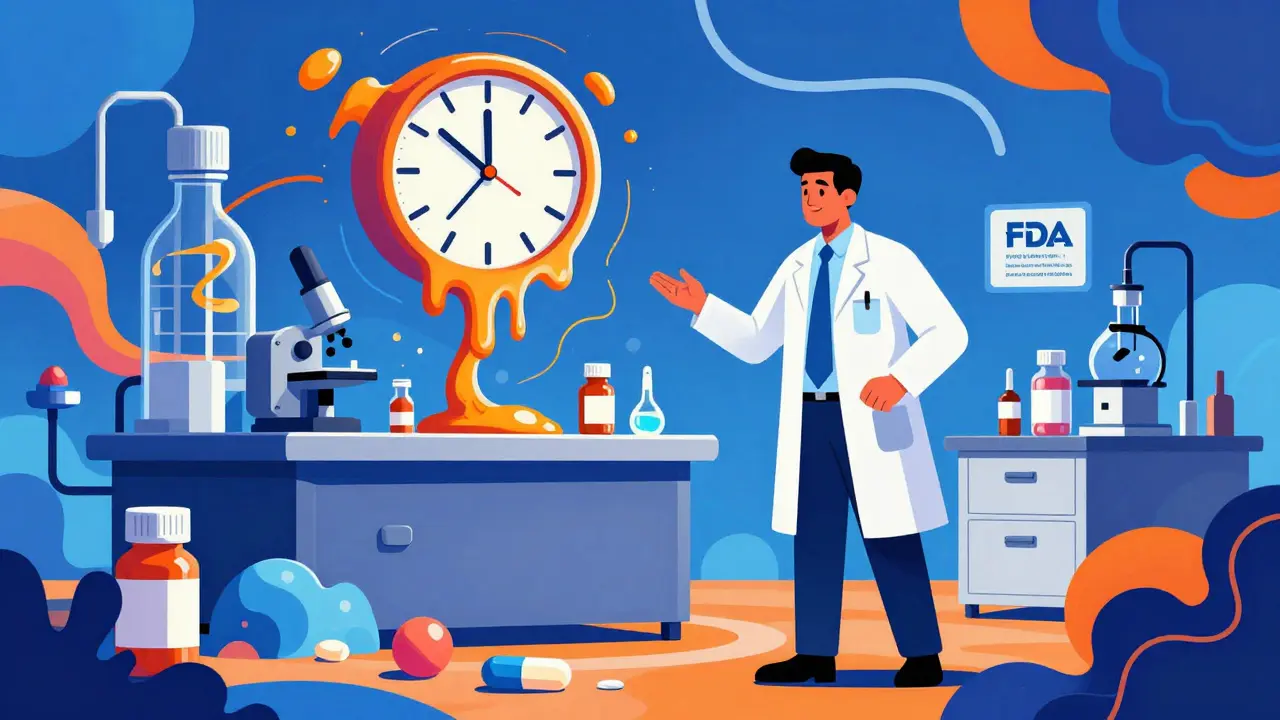
Unannounced FDA inspections are surprise visits by U.S. Food and Drug Administration officials to manufacturing facilities without prior notice. These inspections are designed to assess real-time compliance with safety standards for food, drugs, and medical devices. Unlike scheduled audits, unannounced inspections catch facilities in their everyday operations-revealing whether safety protocols are consistently followed or only implemented when officials are expected. This approach is critical for protecting public health, as it prevents manufacturers from temporarily cleaning up or altering processes to hide violations.
Why the FDA Uses Surprise Visits
For decades, the U.S. Food and Drug Administration (FDA) treated domestic and foreign manufacturing facilities differently during inspections. Domestic facilities typically faced unannounced inspections, while foreign manufacturers often received advance notice-sometimes weeks ahead-to coordinate travel and translation. This "double standard" created inconsistent oversight. The FDA found that even with advance notice, foreign facilities had more than twice as many serious deficiencies compared to domestic inspections. Why? Because companies could temporarily fix issues before inspectors arrived, masking ongoing problems. Unannounced inspections eliminate this opportunity, ensuring inspectors see the facility's true condition.
Assistant Commissioner Michael Rogers explained this clearly in a May 6, 2025 announcement: "These inspections provide real-time evidence and insights that are essential for making fact-based regulatory decisions to protect public health." Without surprise visits, the FDA couldn't reliably verify whether manufacturers follow safety protocols daily. It's the difference between checking a restaurant's kitchen during a busy lunch rush versus after hours when it's spotless.
How Unannounced Inspections Work in Practice
When FDA inspectors arrive unannounced, they follow a strict process. First, they identify themselves and show credentials. Then, they issue Form FDA 482 (Notice of Inspection) to the facility's most responsible person. This form explains the purpose of the visit and the scope of the inspection. The inspectors then review records, observe operations, and check equipment and facilities. They might request to see specific processes like sterile manufacturing or quality control checks.
Inspection duration varies based on factors like facility size, complexity of operations, and the number of issues found. For example, a small pharmaceutical plant might be inspected in a few hours, while a large medical device factory could take several days. The FDA classifies each inspection outcome to determine next steps. Even "No Action Indicated" results provide valuable data to strengthen future oversight.
Crucially, the FDA has authority to take action against any facility that delays, denies, or limits inspections. This includes refusing entry or withholding records. Such actions can lead to product recalls or import bans.
The 2025 Policy Shift: Equal Standards for All
On May 6, 2025, the FDA made a historic change by extending unannounced inspections to all foreign manufacturing facilities. Before this, foreign sites usually received advance notice to arrange for translators and coordinate with local authorities. This created a gap in oversight. For instance, a 2025 Sedgwick Blog analysis showed that foreign facilities with advance notice still had serious deficiencies over twice as often as domestic inspections. The new policy closes this loophole, ensuring all manufacturers-whether in the U.S. or overseas-are held to the same standards.
This shift aligns with President Trump's May 5, 2025 executive order directing the FDA to enhance oversight of foreign manufacturing. It also reflects the reality that 40% of finished drugs and 80% of active pharmaceutical ingredients consumed in the U.S. come from abroad. Without consistent inspection methods, the FDA couldn't guarantee product safety across global supply chains.

What Manufacturers Need to Do to Prepare
Since unannounced inspections can happen at any time, companies must maintain constant readiness. Experts from Parexel recommend these key steps:
- Develop a clear response plan with designated personnel for handling inspections
- Keep all records easily accessible and up-to-date-digital systems are preferred
- Conduct regular mock inspections to simulate surprise visits
- Train staff on how to respond to inspectors' requests
- Ensure quality management systems (QMS) have built-in safeguards
Greenlight Guru emphasizes that "you won't always have time to duct-tape your legacy system tools before they walk through your door." This means quality processes must be consistently followed, not just during scheduled audits. For example, during a sterile manufacturing area inspection, the facility must prove that all procedures are followed correctly in real-time-no last-minute fixes.
Real-World Impact on Public Health
Since the May 2025 policy change, the FDA has conducted over 300 unannounced inspections at foreign facilities across 90+ countries. These inspections have identified critical safety issues, including falsified records, improper sterilization methods, and contaminated raw materials. One notable case involved a facility in India where inspectors discovered substandard drug production practices that would have put patients at risk. The FDA immediately blocked the shipment of those products.
One recent case involved a U.S.-based medical device company with a manufacturing plant in Mexico. During an unannounced inspection, FDA officials discovered that the facility was using unapproved materials in their devices. The company had been sourcing cheaper components from a new supplier without proper validation. Because the inspection was unannounced, inspectors caught the issue before it could affect patient safety. The FDA issued a Form 483 detailing the violations and required corrective actions within 30 days. This example shows how unannounced inspections prevent risks before they escalate.
According to FDA data, unannounced inspections have reduced serious deficiencies in foreign facilities by nearly 30% in the first six months of implementation. This directly translates to safer medicines and food products for American consumers. As Assistant Commissioner Rogers stated, "Every product entering the U.S. is safe, legitimate, and honestly made-that's the ultimate objective of this enhanced inspection approach."
Challenges and the Road Ahead
The FDA previously coordinated inspections with foreign regulatory agencies like the European Medicines Agency (EMA) or China's National Medical Products Administration (NMPA). This collaboration helped share expertise and resources during inspections. However, the shift to unannounced visits has disrupted this partnership. Foreign authorities often rely on advance notice to prepare their own staff to observe inspections. Without clear protocols, some countries have expressed concerns about sovereignty issues. The FDA is currently working on a new framework to maintain cooperation while keeping inspections unannounced-balancing global collaboration with consistent enforcement.
Additionally, smaller foreign manufacturers may struggle to maintain constant compliance without advance notice. The FDA is working to address these issues through additional training and clearer guidelines. However, the agency remains firm: "We will not compromise on public health protections," according to a McGuireWoods alert in May 2025. Future refinements will likely focus on balancing rigorous oversight with practical implementation for global supply chains.
Frequently Asked Questions
Why does the FDA conduct unannounced inspections instead of scheduled ones?
Unannounced inspections ensure facilities operate safely every day, not just when they know inspectors are coming. Scheduled visits allow time to clean up or hide issues, while surprise checks catch problems that scheduled audits miss. For example, a 2025 FDA study found that foreign facilities with advance notice still had serious deficiencies twice as often as domestic unannounced inspections-proving that surprise visits catch issues that scheduled audits miss.
How often does the FDA conduct unannounced inspections?
The frequency varies based on risk level. High-risk facilities like those producing sterile injectables may face inspections every 6-12 months, while lower-risk sites might be inspected every 2-3 years. Since the May 2025 policy change, the FDA has increased unannounced inspections at foreign facilities by 25% compared to previous years. The agency prioritizes facilities with a history of violations or those producing critical medicines.
What happens if a facility refuses an unannounced inspection?
Refusing an FDA inspection is a serious violation. The agency can issue a "refusal to permit inspection" notice, which may lead to automatic import bans on products from that facility. For example, in 2025, a Chinese pharmaceutical company was blocked from exporting to the U.S. after denying inspectors access to their sterile production area. The FDA also has authority to pursue legal action against individuals who obstruct inspections.
How do language barriers affect foreign inspections?
Language barriers were a major reason for advance notice in foreign inspections-allowing time to arrange translators. Now that inspections are unannounced, the FDA uses professional interpreters who accompany inspectors. However, this still presents challenges. For instance, during a 2025 inspection in Brazil, a miscommunication about a sterilization process led to a temporary hold on shipments until clarification was provided. The FDA is working with foreign regulatory bodies to standardize communication protocols for unannounced visits.
What is Form FDA 482, and why is it important?
Form FDA 482 (Notice of Inspection) is the official document given to facilities when inspectors arrive. It details the scope of the inspection and legal authority for the visit. This form is critical because it starts the inspection process and must be signed by the facility's representative. Without it, inspectors cannot proceed. Facilities that fail to accept Form FDA 482 risk immediate regulatory action, as this is considered refusing the inspection.
13 Comments
Robert Gilmore February 6, 2026 AT 02:54
Oh, sure, let's just 'surprise' inspect everyone. Because clearly, the only way to ensure safety is to catch manufacturers red-handed while they're in the middle of cutting corners. What could possibly go wrong with this approach? I mean, who wouldn't want their factory to be inspected without warning? It's not like they'd ever have a legitimate reason to be unprepared. #Sarcasm
Robert Gilmore February 6, 2026 AT 19:13
I've always thought that surpise inspections are a great idea, even if sometimes the misspelling of 'unannounced' can be tricky. But hey, it's all for public health! No more double standards for foreign facilities. We need consistent standards across the board. Let's keep pushing for safety! The FDA's new policy is a step in the right direction. It's time to stop playing games with public health. Every product entering the U.S. should be safe, legitimate, and honestly made. This is why unannounced inspections are so important. They prevent manufacturers from temporarily cleaning up or altering processes to hide violations. It's like checking a restaurant's kitchen during a busy lunch rush versus after hours when it's spotless. Without surprise visits, the FDA couldn't reliably verify whether manufacturers follow safety protocols daily. This approach ensures that safety isn't just a show when the inspectors are around. Let's hope this works and continues to protect consumers. It's about real-time compliance, not just passing inspections.
Robert Gilmore February 7, 2026 AT 19:13
The FDA should shut down all foreign factories. No more imports. Americans deserve safety. Period
Robert Gilmore February 8, 2026 AT 05:15
Consistent inspection standards are essential for global safety. This approach ensures that all manufacturers, regardless of location, meet the same rigorous requirements. It's a necessary step for protecting public health.
Robert Gilmore February 9, 2026 AT 20:22
Inspections save lives. Period.
Robert Gilmore February 10, 2026 AT 23:40
This is all a scam. The FDA is using unannounced inspections to control us. They want to shut down factories to push for more regulation. Wake up, people!
Robert Gilmore February 12, 2026 AT 11:18
The FDA's 'unannounced' inspections are just a facade. They're using this as a pretext to exert control over global supply chains. The data is cherry-picked. Evidence of corruption is everywhere.
Robert Gilmore February 13, 2026 AT 16:47
The FDA's approach is flawed. It disregards international cooperation. This is a dangerous precedent.
Robert Gilmore February 15, 2026 AT 10:00
Interesting perspective. It's important to balance oversight with international relations. Perhaps more collaboration is needed.
Robert Gilmore February 15, 2026 AT 23:54
This is a step in the right direction. Consistent inspections help protect everyone. Let's keep pushing for safety!
Robert Gilmore February 16, 2026 AT 15:55
The FDA's actions are laughably inadequate. Real safety requires radical transparency. This is just more bureaucratic theater. Pathetic.
Robert Gilmore February 18, 2026 AT 10:54
The implementation of unannounced inspections aligns with QMS frameworks. Ensuring compliance across all facilities is critical for risk mitigation. This is a necessary measure.
Robert Gilmore February 18, 2026 AT 23:30
This is a great initiative. Consistent inspections really do help keep things safe. Good job, FDA.